

What can we expect from the present and future of construction?
The construction sector is constantly evolving, driven by the need to create more sustainable, efficient and durable structures. In this article, we explore the innovative materials and advanced techniques that are shaping the future of construction, offering solutions to current challenges and opening up new possibilities for architects and engineers.
At e20 Arquitectos we are constantly reinventing our techniques and keeping pace with the avant-garde movements in the sector, something that makes us unique and sets us apart from our competitors.
Innovative materials in construction
Innovation in construction materials is revolutionising the way we design and construct our structures. Here are some of the most promising materials we have to offer.
Self-healing concrete
A revolutionary material that can heal their own cracks, significantly extending the lifespan of the structures. This material uses bacteria that, upon coming into contact with water and air, produce calcium carbonate which automatically seals the cracks.
Aerogel
Known as the “frozen smoke“, aerogel is an ultralightweight and extremely efficient material as a thermal insulator. Its use in construction not only improve energy efficiency of the buildings, but also reduce the weight and the burden About the structures.
Cross-laminated timber (CLT)
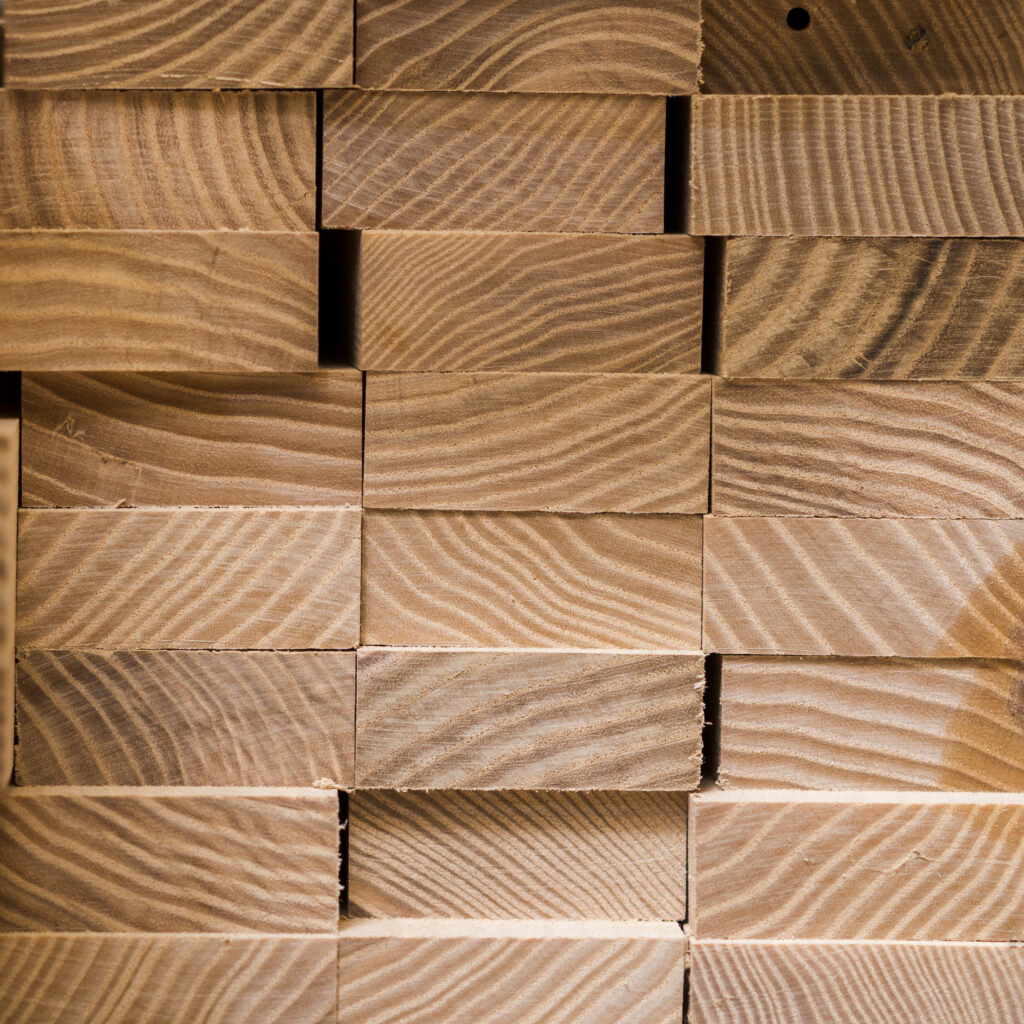
Cross-laminated timber (CLT) is gaining popularity as a sustainable and robust building material. This material, made of solid wood layers glued in perpendicular directions, offers high structural strength and it is an ecological alternative to steel and concrete.
Advanced construction techniques
Along with the use of cutting-edge materials, advanced construction techniques are radically changing the way projects are planned and executed. These are some of the most notable.
3D printing of buildings
3D printing is enabling creation of complex structures with high precision and in less time. This technique uses materials such as concrete and polymers to construct everything from small parts to complete buildings, optimising the resources and reducing waste.
Modular construction
Modular construction consists of manufacture parts of a building in a controlled environment and then assemble them on the construction site. This technique improves efficiency, reduces construction times and minimises environmental impact, as it allows for more rigorous control of materials and waste.
Augmented Reality (AR) and Virtual Reality (VR)
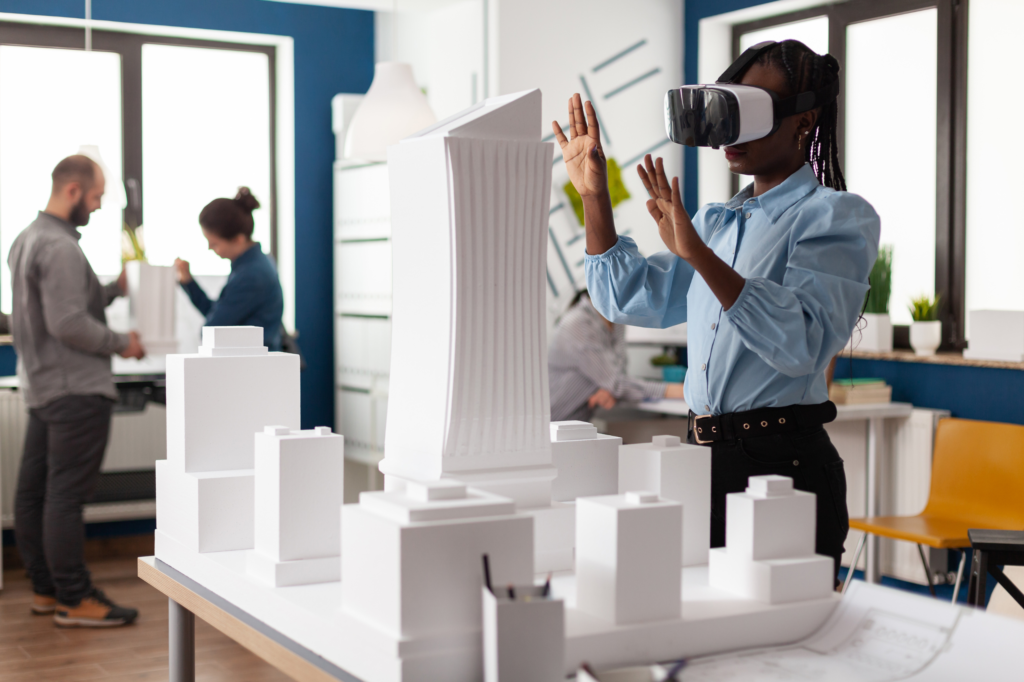
AR and VR are transforming the design and construction process, enabling architects and builders to visualise and modify projects in real time before they are built. These technologies facilitate error detection and design optimisation, improving communication among all those involved.
e20 Arquitectos: avant-garde in the sector
At e20 Arquitectos, we pride ourselves on discovering the latest advancements every day, working to create spaces that not only meet current needs, but also anticipate those of the future.

Gonzalo De Lojendio
Founder and Managing Architect of e20 Arquitectos
Architect in Mallorca with an innovative vision and a meticulous focus on every design detail. Following my experience in London and Lima, in 2017 I founded E20 Architects, a studio that transforms spaces with technical rigor and emotional sensitivity.